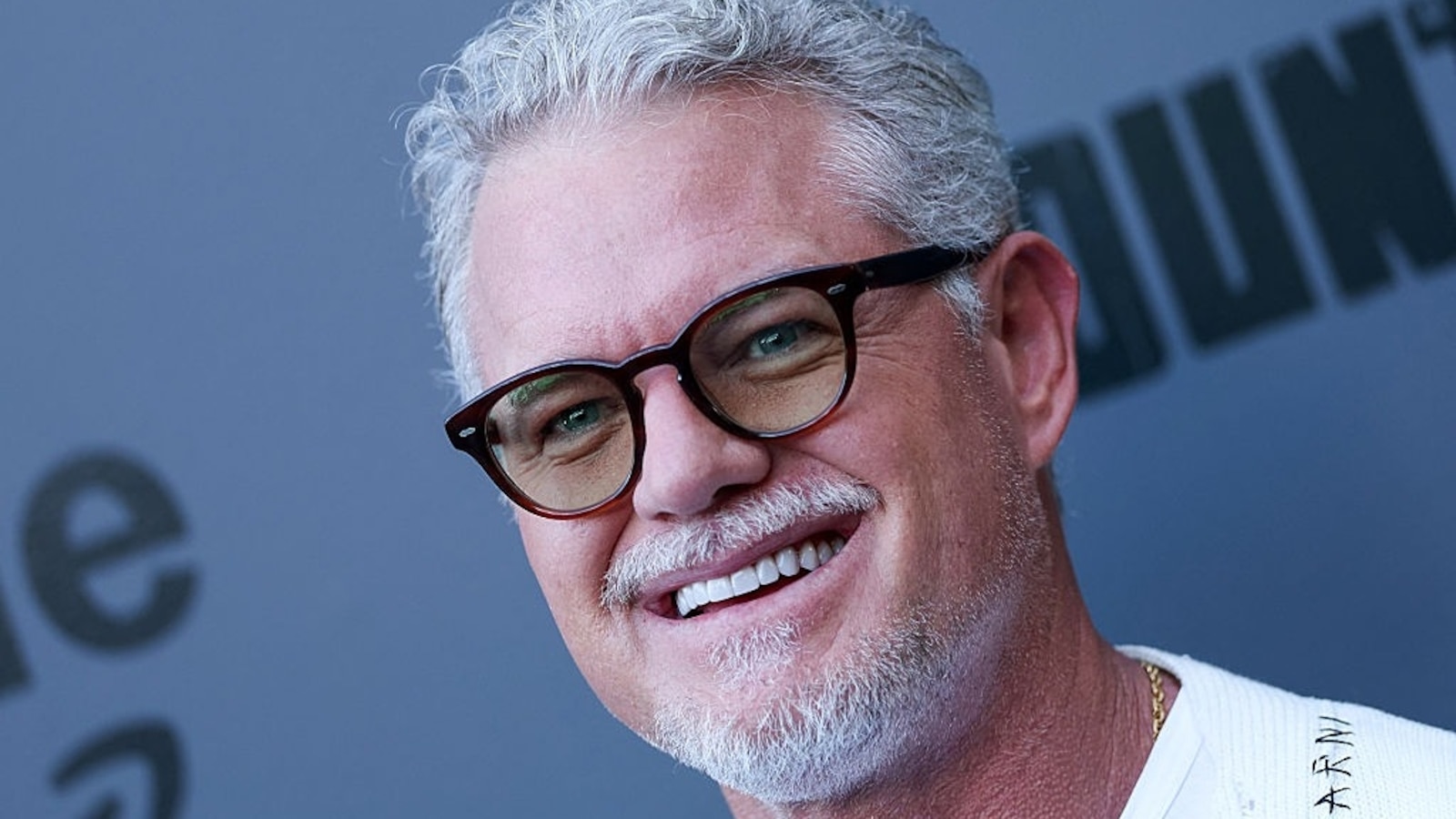
Eric Dane's Battle with ALS: Inside the Final Months of McSteamy's Life
The entertainment world collectively mourned on Thursday, February 19, when news broke of the passing of beloved actor Eric Dane. Best known to millions as the charismatic Dr. Mark "McSteamy" Sloan on the hit medical drama
Grey's Anatomy, and more recently for his powerful portrayal of Cal Jacobs in HBO's
Euphoria, Dane's death at the age of 53 came less than a year after he courageously announced his diagnosis with Amyotrophic Lateral Sclerosis (ALS). His final months were a testament to his unwavering spirit, culminating in a profoundly moving performance that left an indelible mark on audiences and colleagues alike. The story of Eric Dane's battle with ALS is not just about a celebrity's tragic end, but about a man who faced his mortality with grace, dignity, and an artist's commitment to his craft, even as his body began to fail him. The profound impact of
Eric Dane's death resonated deeply across Hollywood and with his vast fanbase.
A Devastating Diagnosis: Eric Dane's Brave Public Battle
In April 2025, Eric Dane made a heartbreaking announcement that sent shockwaves through the industry: he had been diagnosed with ALS. Also known as Motor Neurone Disease, ALS is a progressive neurodegenerative condition that attacks nerve cells in the brain and spinal cord. These nerve cells, called motor neurons, control voluntary muscles. As they degenerate and die, the brain's ability to initiate and control muscle movement is lost, leading to increasing muscle paralysis, difficulty speaking, swallowing, and eventually breathing. It is, to date, an incurable disease.
The diagnosis cast a somber shadow, particularly given the typical prognosis. While life expectancy for individuals with ALS varies widely, the average is between two and five years from diagnosis. However, exceptions exist, with notable figures like astrophysicist Stephen Hawking living for decades with the condition. Despite the grim outlook, Dane publicly vowed that his condition would not deter him from his passion for acting. This resolve spoke volumes about his character, demonstrating a powerful commitment to his life's work even in the face of an existential challenge. His decision to go public with his fight not only raised awareness for ALS but also offered a poignant window into the reality of living with such a debilitating illness.
The Poignant Final Act: Portraying ALS in "Brilliant Minds"
In a twist of fate that was both tragic and profoundly moving, Eric Dane's final major role saw him embody the very disease that was consuming him. In October 2025, just six months after his public diagnosis, Dane returned to a medical drama set, not as a doctor, but as a patient with ALS. This was for an emotionally charged episode of the series
Brilliant Minds, where he portrayed Matthew Ramati, a firefighter whose pride initially prevented him from revealing his diagnosis to his family.
The irony of an actor battling ALS playing a character with the same condition was not lost on viewers or the production team. Dane's performance was imbued with a raw authenticity that transcended mere acting. In one particularly poignant scene, Matthew Ramati is advised on treatment options by Zachary Quinto's Dr. Oliver Wolf. Ramati reacts with a visceral rejection of spending his final days connected to machines, declaring, "What’s it matter? Nobody survives this. We both know that, and I know how to take care of my family." This line, delivered by Dane, resonated with an almost unbearable weight, reflecting the very real existential struggle of an ALS patient.
Another powerful moment saw Dane's character record a message, detailing a profound shift in his perspective on asking for help. The depth of emotion and vulnerability he brought to the screen left the cast and crew of
Brilliant Minds speechless. Show creator Michael Grassi recalled an unprecedented 10-minute standing ovation for Dane after filming, a moment he described as "so beautiful and so honest and so real." This incredible tribute underscores the profound impact Dane's performance had, not just as an actor, but as a human being confronting his own reality through his art. His portrayal offered a glimpse into the physical and emotional toll of ALS, educating audiences while simultaneously providing an unforgettable artistic statement on resilience and acceptance. For a deeper dive into this impactful role, consider reading
Remembering Eric Dane: His ALS Diagnosis and Powerful Portrayal in Brilliant Minds.
From McSteamy to Cal Jacobs: A Legacy Forged in Diverse Roles
Before his devastating diagnosis, Eric Dane had already carved out a significant and memorable career in Hollywood, demonstrating a remarkable range that belied his initial "heartthrob" image. His early life was marked by tragedy; at the age of seven, while growing up in Northern California, his father died by suicide. This formative experience, as Dane once described, was a difficult chapter, his father being a "troubled soul" despite a successful career as a Navy man turned architect and interior designer.
Dane discovered his love for acting in high school, where he was also a water polo player, after appearing in a school production of Arthur Miller's *All My Sons*. This passion led him to Los Angeles, where he made his television debut in 1991 as Tad, a volleyball player on the popular teen sitcom *Saved by the Bell*. He steadily built his resume over the next decade with regular roles in series like *Gideon's Crossing* and the supernatural hit *Charmed*.
However, it was his pivotal role as Dr. Mark Sloan, the charming and often shirtless plastic surgeon, in *Grey's Anatomy* that catapulted him to superstardom. Initially hired for a single episode, Dane's undeniable charisma and immediate chemistry with the cast saw his character become a fan favorite, extending to 140 episodes. His memorable introduction in the show's third season, emerging from a shower wearing only a towel, instantly cemented his "McSteamy" nickname – a moniker that would follow him throughout his career.
After departing *Grey's* in 2012, Dane continued to challenge himself with diverse roles. From 2014 to 2018, he led the Michael Bay-produced action series *The Last Ship*, playing Captain Tom Chandler, commander of a Naval destroyer navigating a post-apocalyptic world. He then delivered one of his most complex and critically acclaimed performances as Cal Jacobs, the deeply conflicted and troubled father of Jacob Elordi's character, Nate, in the critically acclaimed HBO series *Euphoria*. His ability to transform from a beloved romantic lead to a complicated, often villainous figure showcased his depth as an actor, ensuring that the legacy of Eric Dane extends far beyond just one iconic role. The unexpected news of Eric Dane's death left a void in the hearts of many who had followed his diverse career.
The Outpouring of Grief and a Lasting Impact
The announcement of Eric Dane's death sparked an immediate and profound outpouring of grief from his colleagues, friends, and legions of fans worldwide. The cast of *Grey's Anatomy*, in particular, shared heartfelt tributes, reflecting the deep bonds formed over years of working together on such an emotionally intense series. Patrick Dempsey, who played Dr. Derek "McDreamy" Shepherd, spoke with raw honesty about his former co-star's final days, underscoring the pain and admiration felt within their close-knit professional family.
Katherine Heigl, who starred alongside Dane from *Grey's Anatomy's* 2005 premiere until her departure in 2010, initially grappled with the public nature of her grief. In a poignant Facebook post, she acknowledged her discomfort with sharing such personal emotions openly, writing, "I debated this post for days." Yet, her eventual words joined a chorus of voices remembering Dane's talent, warmth, and the indelible mark he left on their lives and careers. These reactions highlight the unique fraternity of long-running television shows, where colleagues often become like family.
Beyond the immediate tributes from Hollywood, Eric Dane's death also served as a stark reminder of the relentless nature of ALS. His courage in openly discussing his diagnosis and then powerfully portraying an ALS patient on screen brought invaluable awareness to a disease that desperately needs more research and funding. His legacy is not only defined by his iconic performances but also by his bravery in the face of immense personal hardship, turning his own struggle into a powerful statement on the human condition.
Conclusion
Eric Dane's journey through Hollywood was a tapestry woven with memorable characters, from the charming rogue of *Grey's Anatomy* to the tortured soul of *Euphoria*. His final chapter, marked by a courageous battle with ALS and a profoundly authentic performance in *Brilliant Minds*, solidified his place as an actor of immense talent and a human being of remarkable strength. While the news of Eric Dane's death brought immense sadness, his legacy will continue to inspire. He will be remembered not just for the hearts he made race as McSteamy, but for the heart he poured into every role, and for the unwavering spirit he showed in his most challenging final act. His life and work serve as a powerful testament to the enduring power of art and the resilience of the human spirit in the face of unimaginable adversity, forever contributing to the global conversation about ALS awareness and the importance of living fully, even when time is tragically short.